Sternum & Chest Keloids
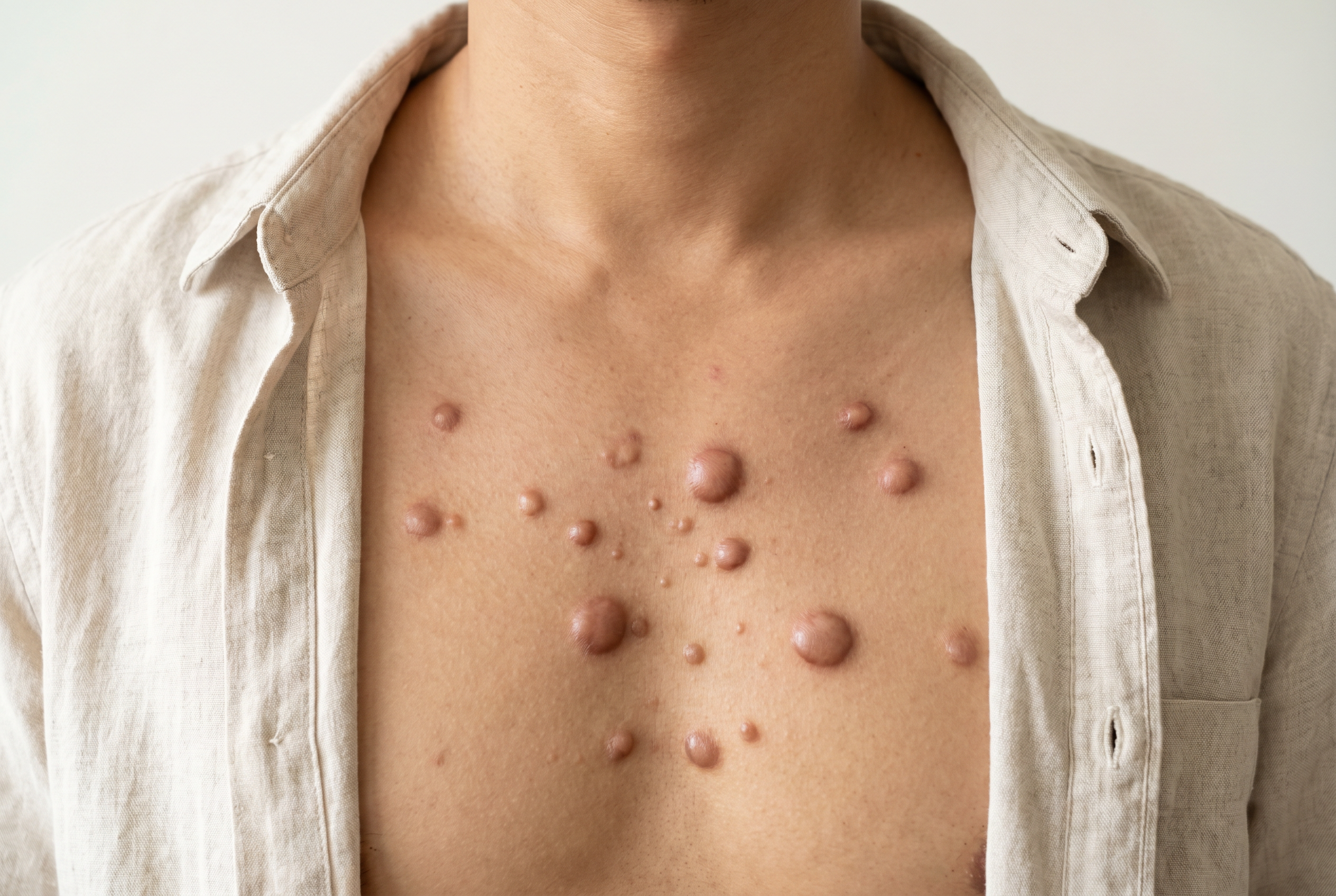
Presternal keloids are notoriously resistant — the chest midline sees high mechanical stress.
Why this site is prone to keloids
Presternal keloids are notoriously resistant. The chest midline experiences high skin tension during breathing, arm movement, and posture — creating a mechanically hostile environment for wound closure. They often arise spontaneously, from acne, or post-surgery. Recurrence rates are the highest of any body site without pressure or radiotherapy adjuncts.
- Constant tension from breathing and shoulder movement.
- Frequent post-surgical site (sternotomy, port placement).
- Common zone for cystic acne and folliculitis.
Dermatologists often combine multiple modalities for site-specific keloids. Review each approach on its own page before discussing with a clinician.
- Steroid InjectionsDirect injection of corticosteroid (usually triamcinolone acetonide) into keloid tissue to flatten and soften the scar. Considered first-line for many keloid presentations.Read more →
- Pressure TherapySustained mechanical pressure delivered to the scar through custom garments, silicone discs, or spring-loaded ear clips. One of the oldest evidence-based interventions in scar medicine — pressure therapy is a backbone treatment for burn-related hypertrophic scars and a standard adjunct for ear keloids after excision, where it consistently lowers recurrence compared with surgery alone.Read more →
- Silicone SheetsSelf-applied silicone sheets or gels worn over developing or existing scars. One of the most widely recommended first-line topical options for scar prevention and management.Read more →
- Radiation TherapyLow-dose radiation — most often superficial electron beam or high-dose-rate brachytherapy — delivered to the fresh surgical site within 24-72 hours after a keloid is excised. It is the most effective recurrence-reduction protocol in the literature for high-risk, recurrent, or large keloids, and is reserved for cases that have failed or would likely fail less aggressive approaches.Read more →
Red-light and near-infrared devices matched to the anatomy and coverage needs of this region. Read each review before purchase.
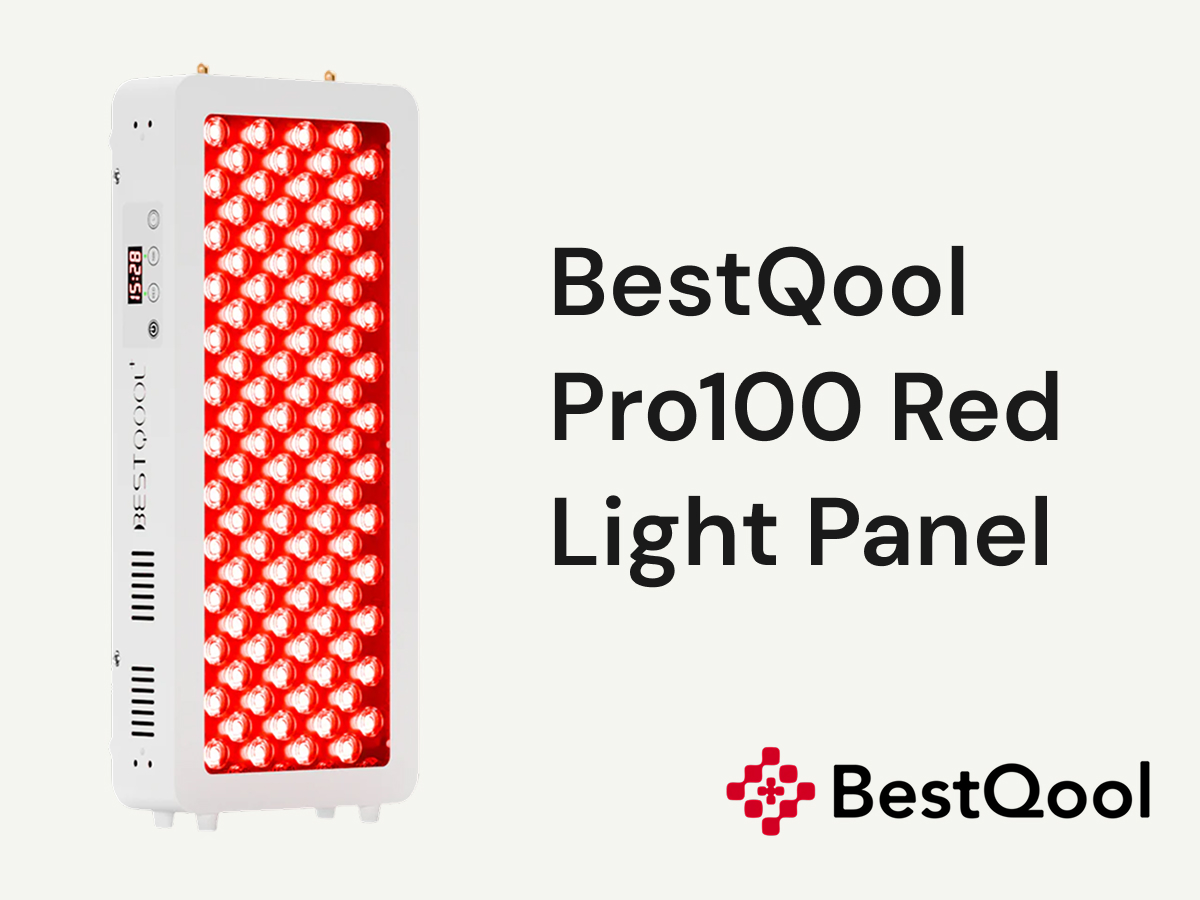
BestQool Pro100 Red Light Panel
Two-wavelength output targets the two most-evidence-backed bands for keloid photobiomodulation — 660 nm for fibroblast and TGF-β1 modulation in the upper dermis, 850 nm for deeper dermal collagen remodeling. The Jagdeo 2018 systematic review of 56 RCTs (≈4,920 participants) identified 700-850 nm as the most consistently effective range; the Pro100 sits squarely on that core rather than padding with weaker flanking bands. 100 dual-chip LEDs deliver 109 mW/cm² at 3 inches — irradiance comparable to panels twice the price.
- Coverage
- Half-body panel — splice up to 4 units for full-body
- Wavelengths
- 660 · 850 nm
- Warranty
- 3 years
Disclosure: Some links on this page are affiliate links. If you purchase through these links, ScarInsight may earn a commission at no additional cost to you. This does not influence our editorial ratings or recommendations.
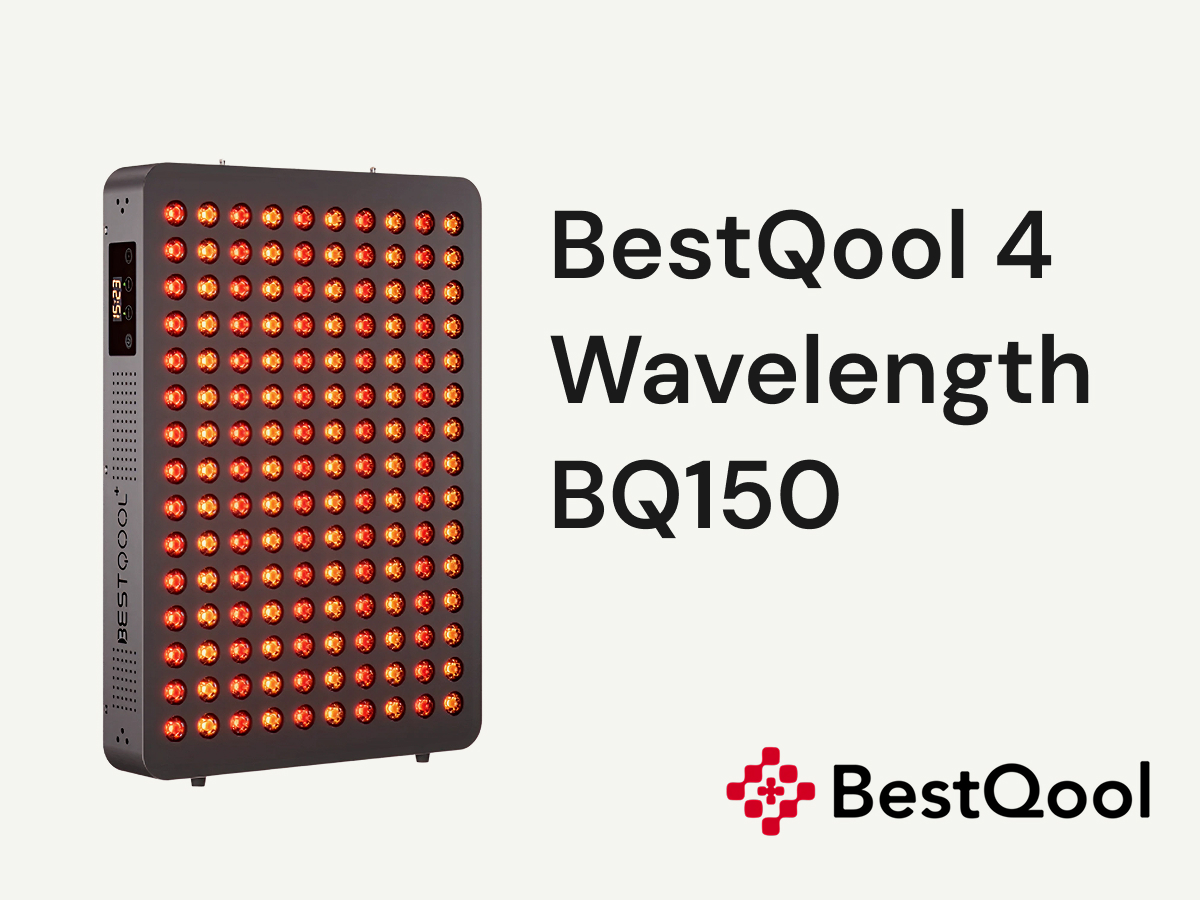
BestQool BQ150 Half-Body Red Light Panel
Four-wavelength output (630, 660, 850, 940 nm) covers the research-backed red and near-infrared core for scar photobiomodulation. 150 dual-chip LEDs deliver 96.2 mW/cm² at 3 inches across a 21.3 x 14.3 inch panel — 27.8 x 18.7 inches of effective coverage at 6 inches. Best suited for people with multiple keloid sites who want one panel to cover chest, shoulder, or upper back in a single session.
- Coverage
- Half-body — multiple scar sites in one session across torso or back
- Wavelengths
- 630 · 660 · 850 · 940 nm
- Warranty
- 2 years
Disclosure: Some links on this page are affiliate links. If you purchase through these links, ScarInsight may earn a commission at no additional cost to you. This does not influence our editorial ratings or recommendations.
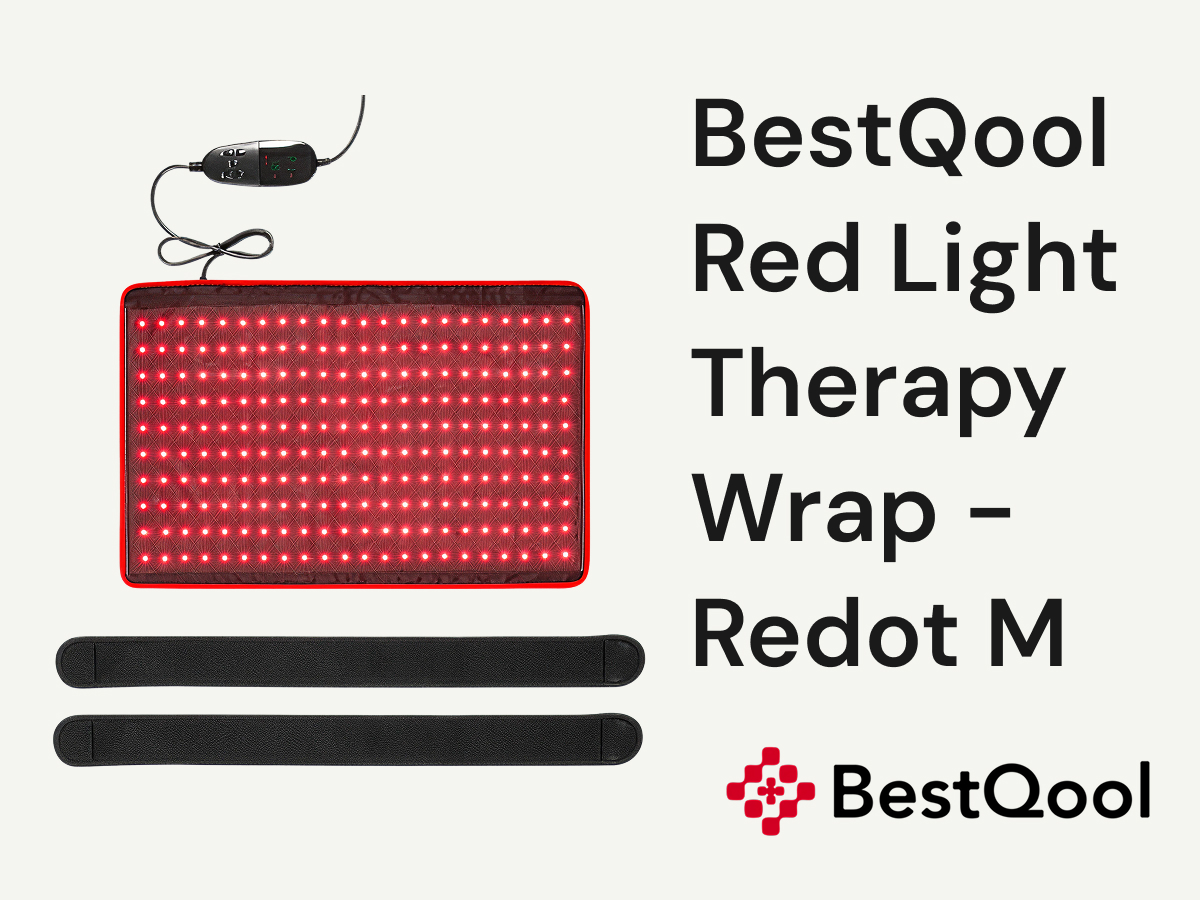
BestQool Redot M Red Light Therapy Wrap
Two-wavelength output (660, 850 nm) targets the research-core red and near-infrared bands for scar photobiomodulation in a flexible wrap form factor. 220 triple-chip LED packages (220 red + 440 near-infrared chips) deliver 59.8 mW/cm² at the skin surface (P5). The wrap conforms to chest, shoulder, back, hip, or thigh — useful for contoured coverage on keloid sites where a flat panel can't sit flush against the body. Recommended session length: 10-30 min at P1-P3 for skin-level work, 40-50 min at P3-P5 for deeper tissue.
- Coverage
- Flexible wrap — contoured coverage for chest, shoulder, back, hip, or thigh keloid sites
- Wavelengths
- 660 · 850 nm
- Warranty
- 1 year
Disclosure: Some links on this page are affiliate links. If you purchase through these links, ScarInsight may earn a commission at no additional cost to you. This does not influence our editorial ratings or recommendations.
Medical disclaimer
ScarInsight provides educational information about scar and keloid treatments based on published research. This content is not intended to diagnose, treat, or prevent any medical condition. Individual results vary. Treatment decisions should be made in consultation with a qualified dermatologist or healthcare provider who can evaluate your specific situation. ScarInsight is not a healthcare provider and does not offer medical advice.