Ear Keloid Stack
Last reviewed: April 2026
The classic protocol for earlobe and ear cartilage keloids — excision plus long-term pressure clips plus steroid injections. Well-supported in the literature and specifically engineered for keloids forming around piercing sites.
Who this is for
- • Pedunculated (stalk-like) earlobe keloids
- • Recurrent ear keloids after prior excision
- • Patients willing to wear pressure clips consistently for 6-12 months
Not ideal for
- • Keloids outside the ear — use the surgical stack or first-line clinical stack
- • Patients who cannot reliably wear pressure therapy daily
The protocol, step by step
- 1PrimaryTreatment detail →
Surgery
Day 0 — intralesional excision technique when possible
Remove the keloid bulk. Intralesional excision (inside the scar margin) preserves more of the adjacent ear anatomy.
- 2PrimaryTreatment detail →
Pressure Therapy
Pressure clips 18-23 hours per day for 6-12 months post-op
Sustained compression is the most studied ear-specific adjunct. Consistency is the single biggest predictor of outcome.
- 3AdjunctTreatment detail →
Steroid Injections
Starting 2-4 weeks post-op, then every 4-8 weeks for 3-6 sessions
Biologic suppression at the excision margins; reduces the likelihood of recurrence along the scar border.
- 4MaintenanceTreatment detail →
Silicone Sheets
During brief pressure clip breaks (cleaning, showering), once wound is closed
Bridge the hours without compression and support ongoing scar remodeling.
- 5AdjunctTreatment detail →
Red Light Therapy
10-20 minute sessions, 3-7 times per week, during clip-off windows once the excision site is fully closed
Modulate fibroblast and inflammatory signaling at the excision margins. Treat as an emerging adjunct, not a replacement for pressure therapy.
Devices reviewed If you want to explore at-home RLT
Four devices spanning targeted spot treatment, entry, multi-site, and full-body use cases. Red light therapy is an emerging adjunct, not a primary keloid treatment.
BestQool
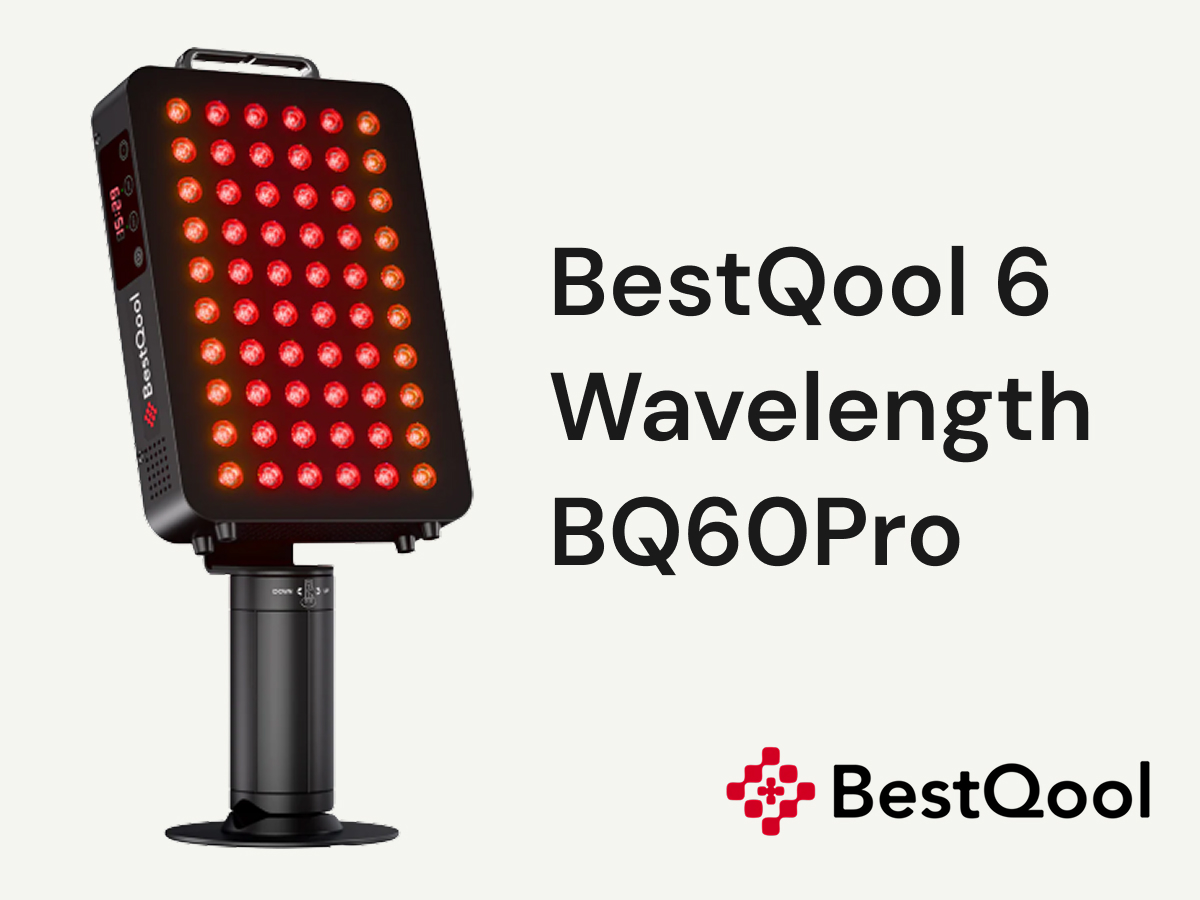
BestQool BQ60Pro 6-Wavelength Clamp Panel
- Wavelengths
- 630 · 660 · 680 · 810 · 850 · 940 nm
- Coverage
- Targeted — single keloid site, hands-free via integrated clamp
- Price
- $280-$320
BestQool
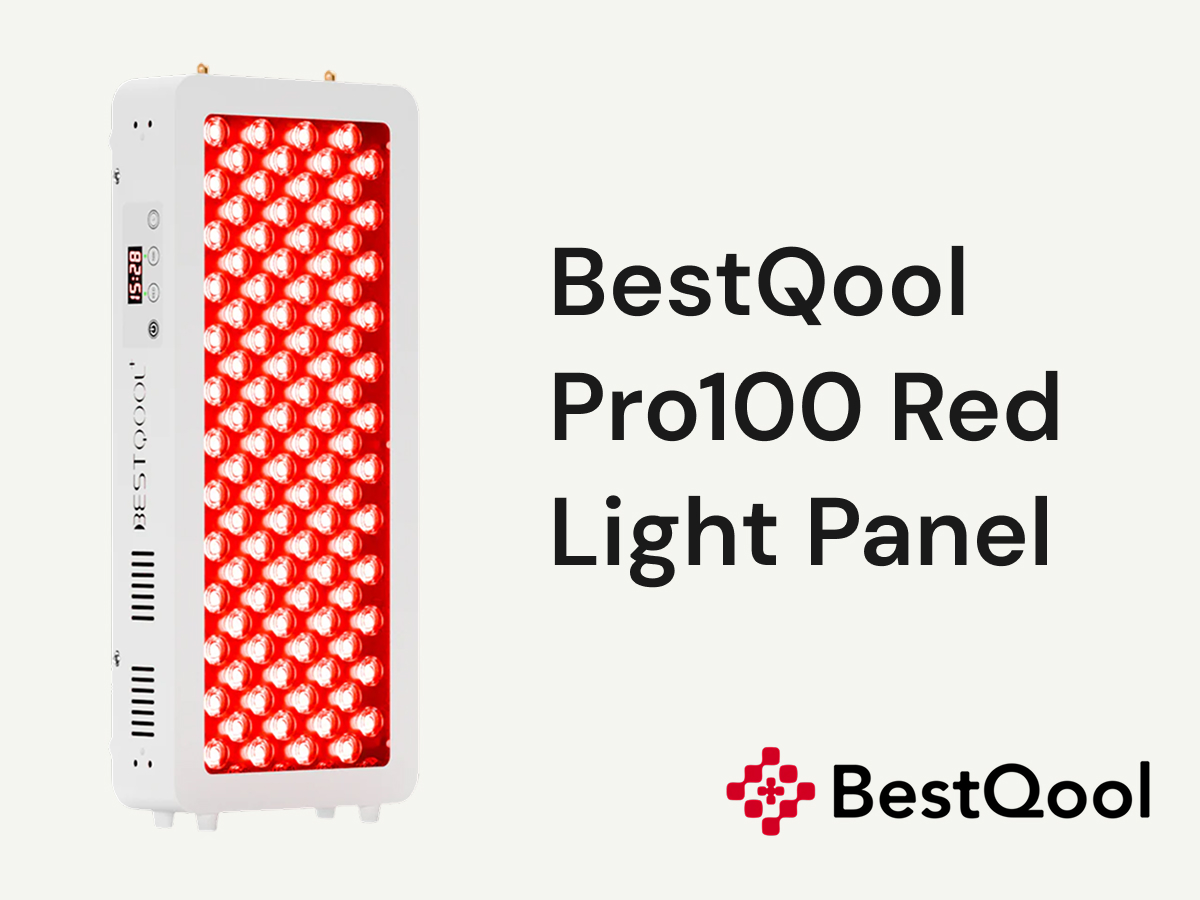
BestQool Pro100 Red Light Panel
- Wavelengths
- 660 · 850 nm
- Coverage
- Half-body panel — splice up to 4 units for full-body
- Price
- $300-$350
BestQool
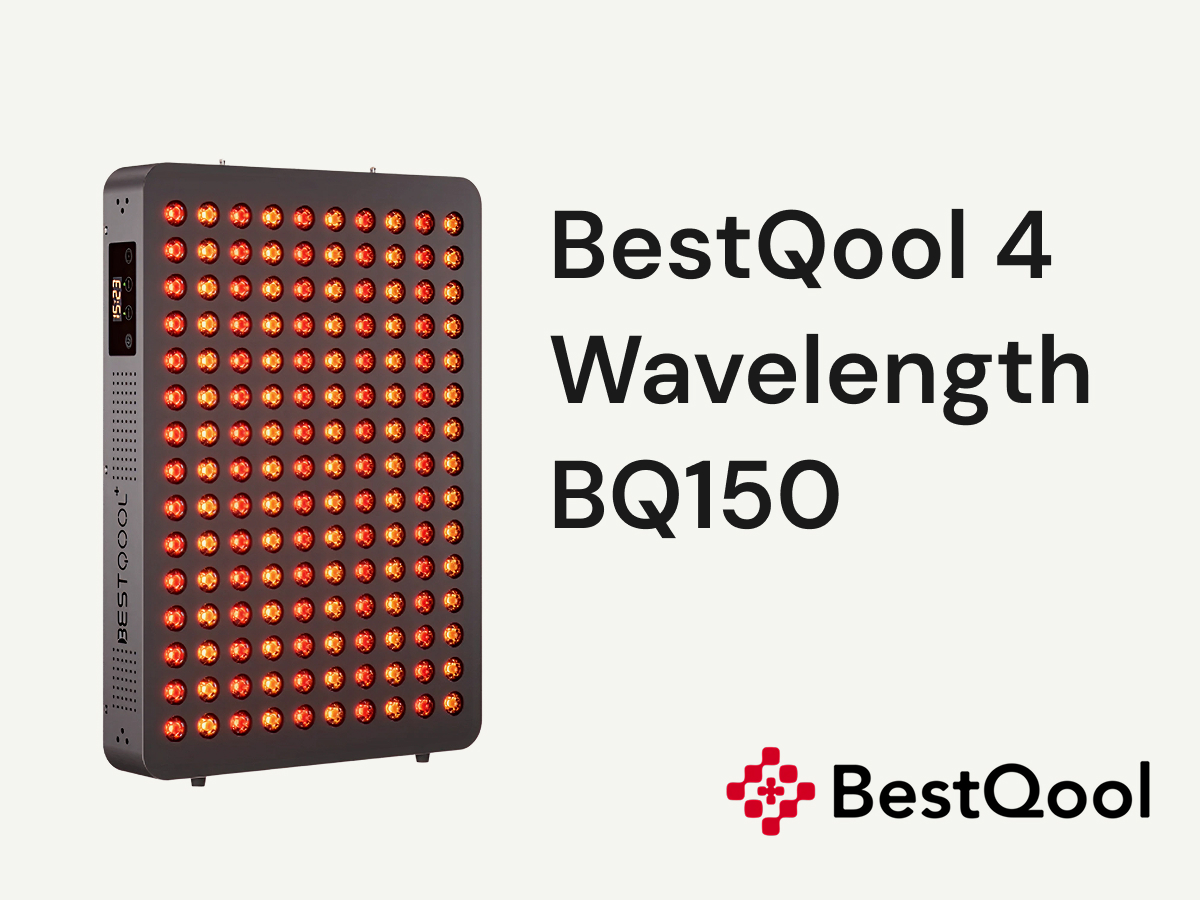
BestQool BQ150 Half-Body Red Light Panel
- Wavelengths
- 630 · 660 · 850 · 940 nm
- Coverage
- Half-body — multiple scar sites in one session across torso or back
- Price
- $480-$560
BestQool
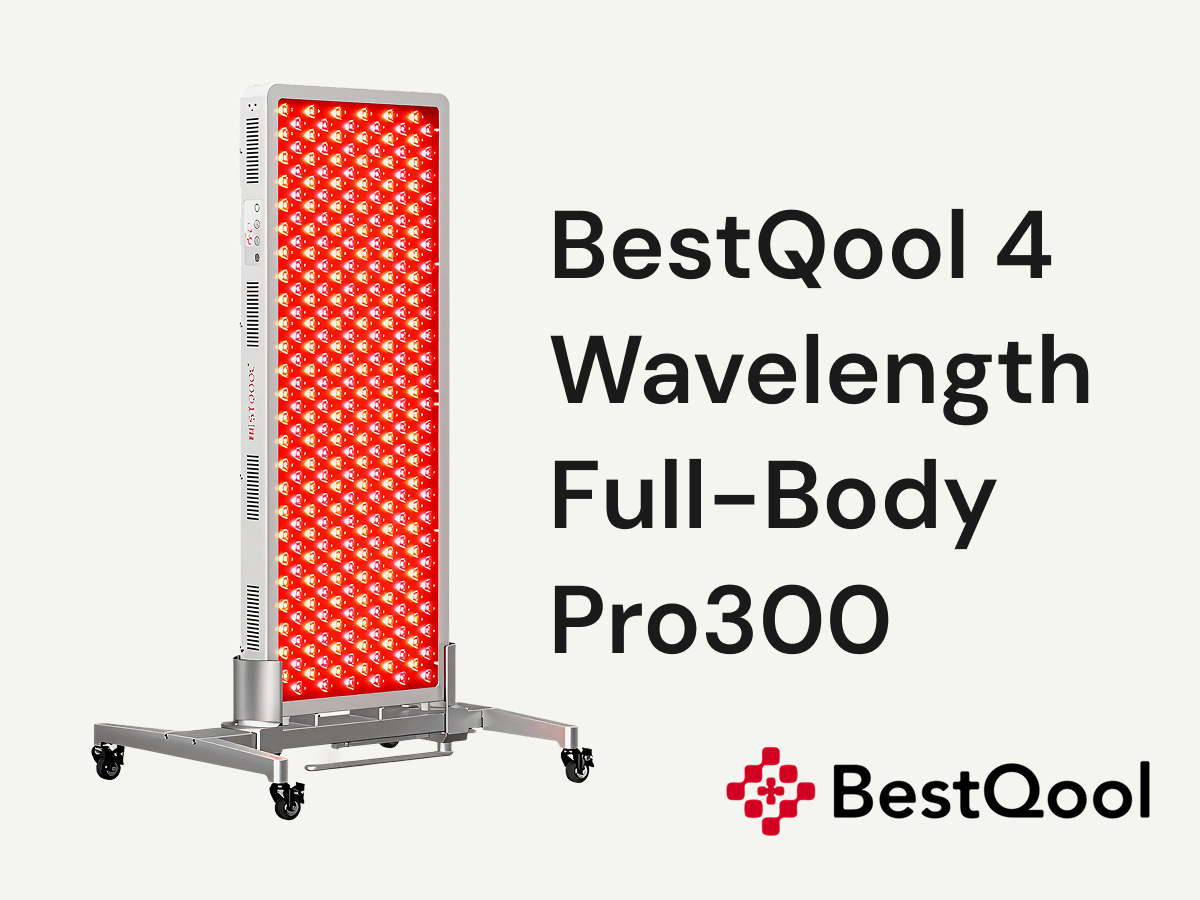
BestQool Pro300 Full-Body Red Light Panel
- Wavelengths
- 630 · 660 · 850 · 940 nm
- Coverage
- Full-body — single-session coverage for multiple or widespread scar sites
- Price
- $850-$950
Affiliate links — I earn a commission if you buy through them. This doesn’t change my evidence rankings. Full disclosure →
Important warnings
Evidence behind this stack
Surgical Excision and Postoperative Compression for Ear Keloids
2012Park TH, Seo SW, Kim JK, Chang CH · Archives of Plastic Surgery
Excision plus continuous compression for 6-12 months reduced recurrence of ear keloids compared with excision alone.
View source →Earlobe Keloid Excision Combined With Pressure Therapy
2013Park TH, Rah DK · Archives of Plastic Surgery
Pressure therapy post-excision substantially reduced ear keloid recurrence compared with excision alone.
View source →
Related stacks
Medical disclaimer
ScarInsight provides educational information about scar and keloid treatments based on published research. This content is not intended to diagnose, treat, or prevent any medical condition. Individual results vary. Treatment decisions should be made in consultation with a qualified dermatologist or healthcare provider who can evaluate your specific situation. ScarInsight is not a healthcare provider and does not offer medical advice.