Non-invasive Stack
The at-home protocol — start here if you're not ready for injections yet.
Last reviewed: April 2026
Three low-risk, self-applied therapies layered into a daily routine. Highest-leverage starting point for young scars and for people who want to postpone injections.
Who this is for
- • Young scars (first 6 months after injury or procedure)
- • People who prefer non-injection options
- • Facial or cosmetic-priority scars
- • Keloid-prone skin post-piercing or post-procedure
Not ideal for
- • Large, mature keloids (greater than 2 years old)
- • Symptomatic keloids with pain or obstruction
- • Keloids that have not changed after 3-6 months of consistent home use
The protocol, step by step
- 1PrimaryTreatment detail →
Silicone Sheets
Daily, 12-24 hours per day for 3-6 months
Hydrate and regulate the stratum corneum to reduce inflammatory signaling that drives excess collagen deposition.
- 2AdjunctTreatment detail →
Pressure Therapy
If anatomically practical (ear clips, compression wraps) — 18-23 hours daily alongside silicone
Add sustained mechanical pressure to reduce local blood flow and slow collagen deposition.
- 3AdjunctTreatment detail →
Red Light Therapy
10-20 minute sessions, 3-7 times per week
Modulate fibroblast and inflammatory signaling. Treat as an emerging adjunct, not a primary therapy.
Devices reviewed If you want to explore at-home RLT
Four devices spanning targeted spot treatment, entry, multi-site, and full-body use cases. Red light therapy is an emerging adjunct, not a primary keloid treatment.
BestQool
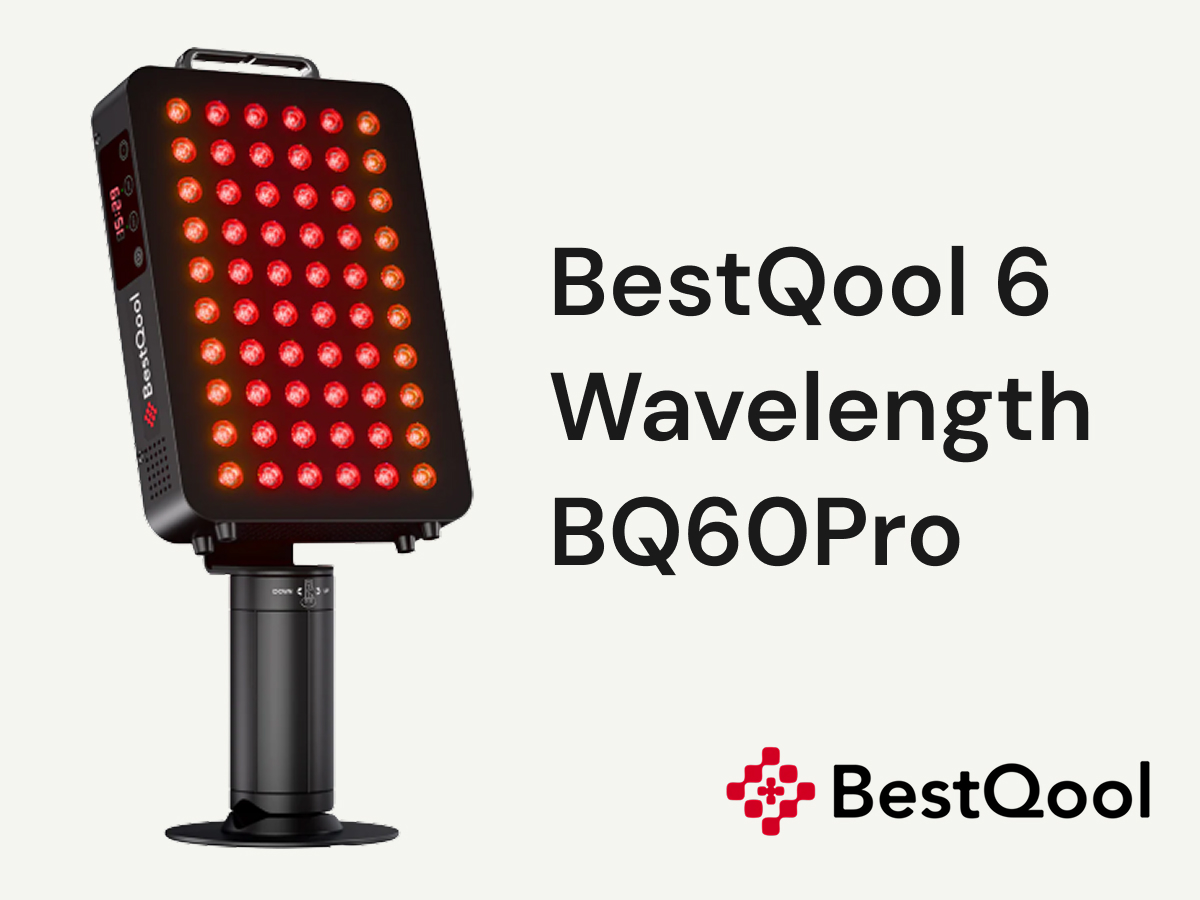
BestQool BQ60Pro 6-Wavelength Clamp Panel
- Wavelengths
- 630 · 660 · 680 · 810 · 850 · 940 nm
- Coverage
- Targeted — single keloid site, hands-free via integrated clamp
- Price
- $280-$320
BestQool
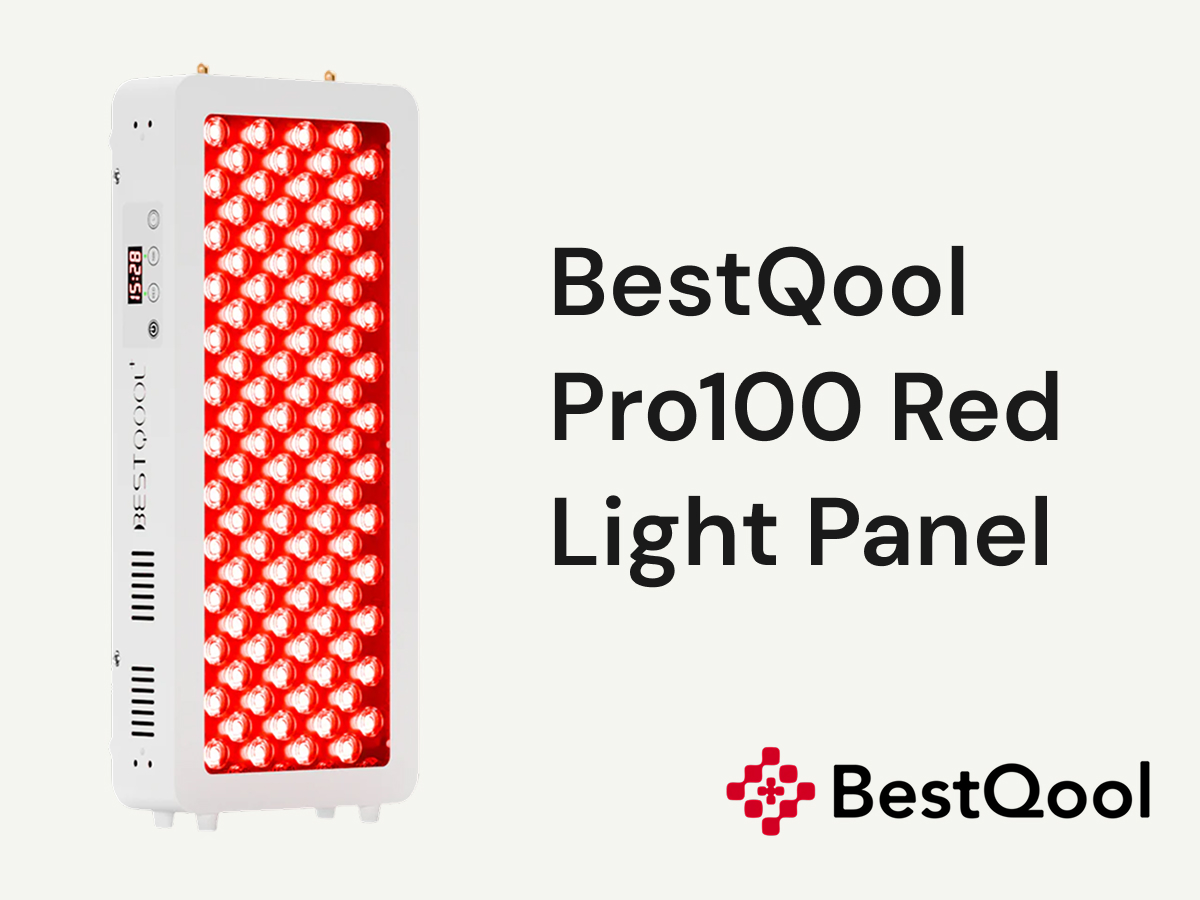
BestQool Pro100 Red Light Panel
- Wavelengths
- 660 · 850 nm
- Coverage
- Half-body panel — splice up to 4 units for full-body
- Price
- $300-$350
BestQool
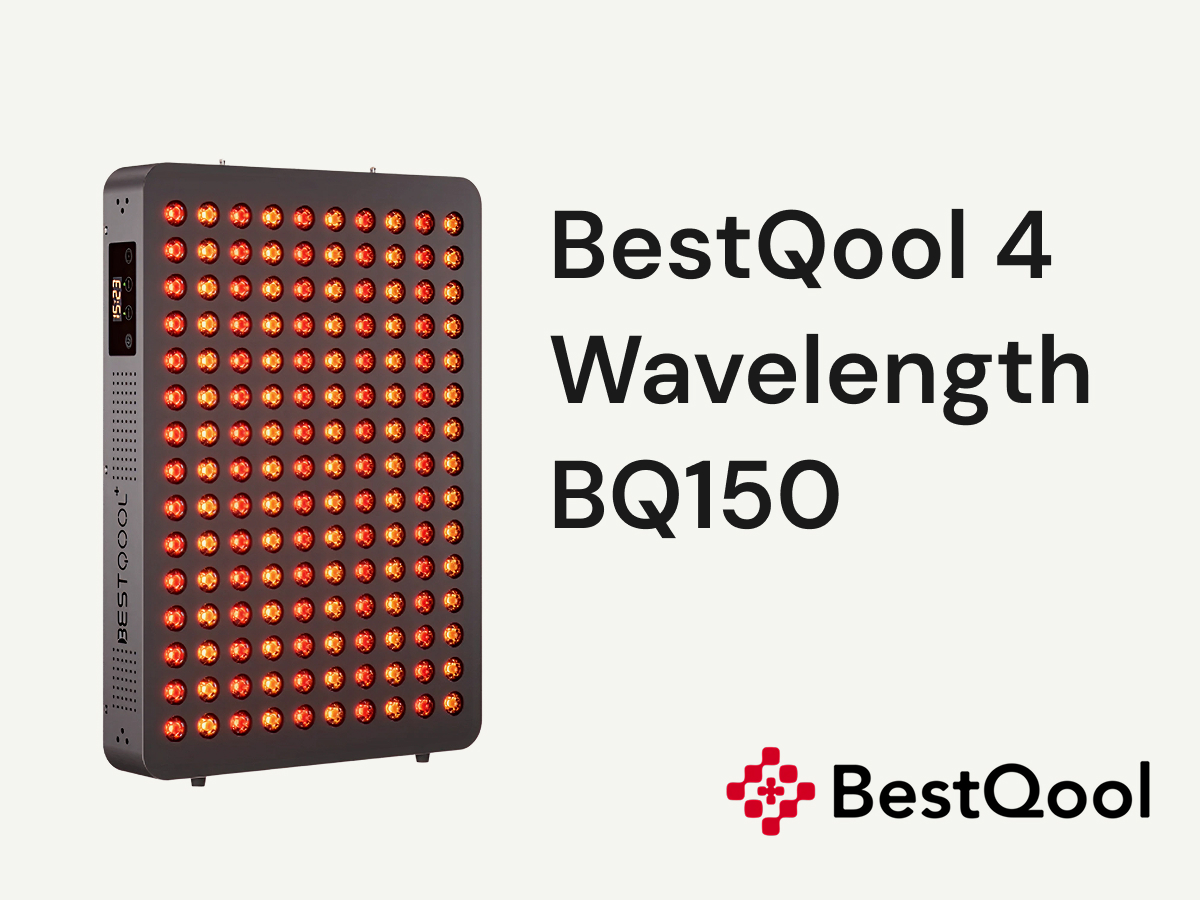
BestQool BQ150 Half-Body Red Light Panel
- Wavelengths
- 630 · 660 · 850 · 940 nm
- Coverage
- Half-body — multiple scar sites in one session across torso or back
- Price
- $480-$560
BestQool
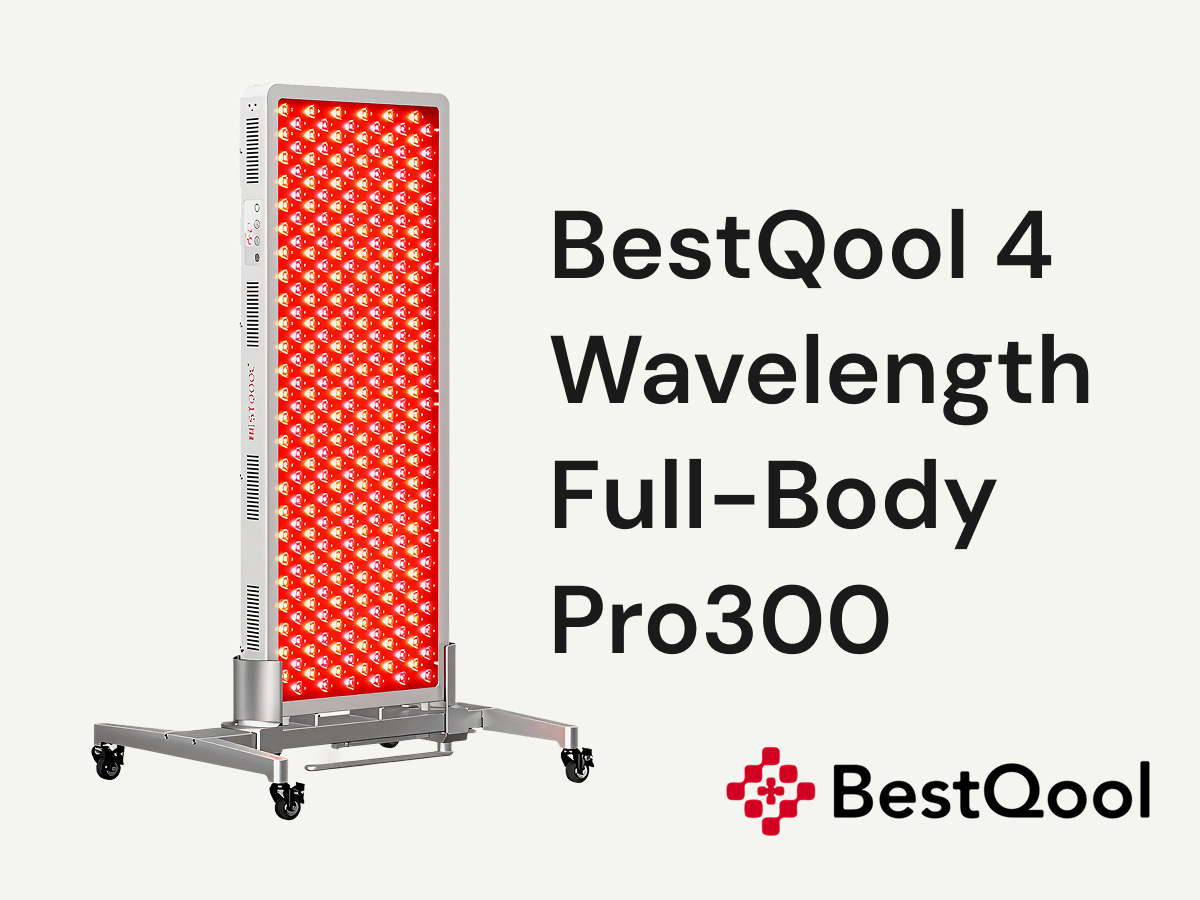
BestQool Pro300 Full-Body Red Light Panel
- Wavelengths
- 630 · 660 · 850 · 940 nm
- Coverage
- Full-body — single-session coverage for multiple or widespread scar sites
- Price
- $850-$950
Affiliate links — I earn a commission if you buy through them. This doesn’t change my evidence rankings. Full disclosure →
Important warnings
Evidence behind this stack
International Clinical Recommendations on Scar Management
2002Mustoe TA, Cooter RD, Gold MH, et al. · Plastic and Reconstructive Surgery
Silicone gel sheeting is recommended as a first-line non-invasive option for scar prevention and management.
View source →Pressure Garment Therapy for Hypertrophic Scars
2009Anzarut A, Olson J, Singh P, et al. · Journal of Plastic, Reconstructive & Aesthetic Surgery
Pressure therapy produces small but meaningful improvement in scar height for hypertrophic scars.
View source →
Related stacks
Medical disclaimer
ScarInsight provides educational information about scar and keloid treatments based on published research. This content is not intended to diagnose, treat, or prevent any medical condition. Individual results vary. Treatment decisions should be made in consultation with a qualified dermatologist or healthcare provider who can evaluate your specific situation. ScarInsight is not a healthcare provider and does not offer medical advice.